
I came across article in the New York Times today in which the writer, Yiyun Li – a mother who lost two of her children to suicide – speaks about the ability to exist in two realities that seem incompatible: one where she’s living in a desolate state she calls the abyss, and another where she finds fulfillment, amusement and even joy in her work, her friendships and her marriage, in little moments and memories. “I don’t ever want to be free from the pain of missing my children,” Li says in her interview for the article.
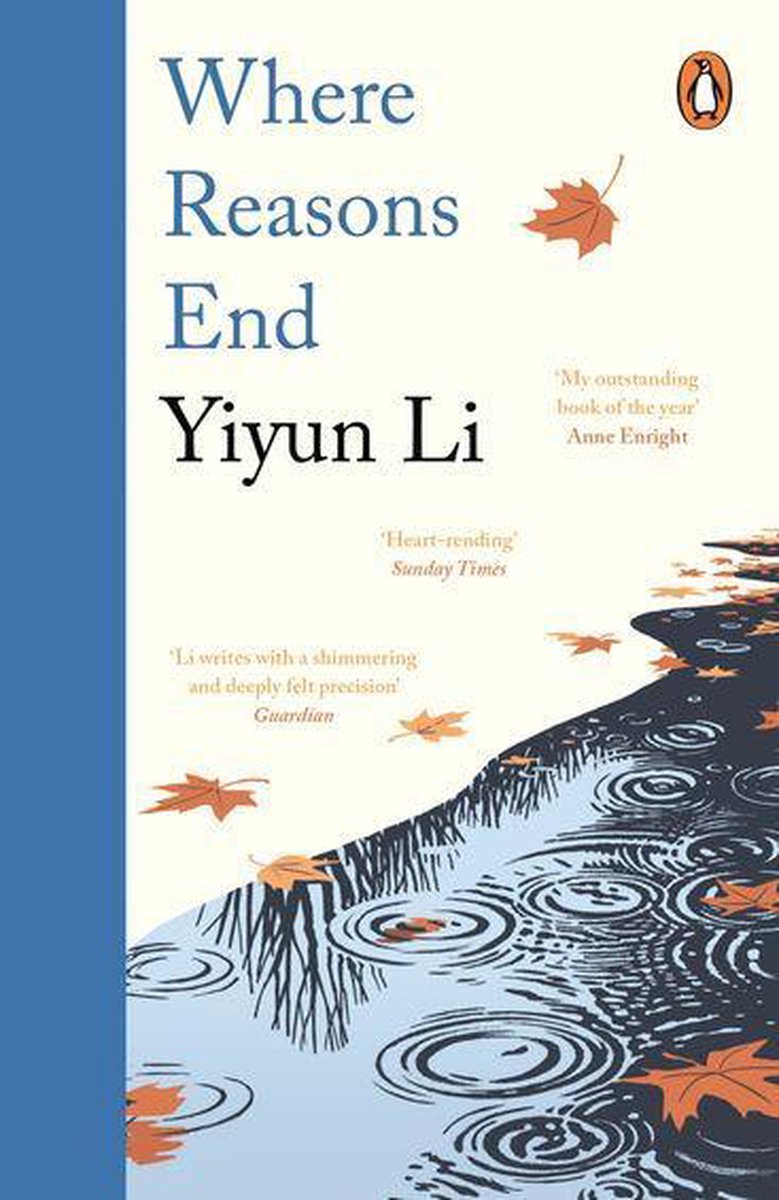
Li has written several books since the passing of her sons. Only by writing could the acclaimed novelist grapple with the suicides of her two sons. After her first son, Vincent’s, death, Li immediately began writing down imagined conversations with her son, telling him about the cheesecake she baked, her clumsy attempt to knit a scarf from the yellow yarn he left behind. The dialogue became Li’s novel “Where Reasons End”, a spare, intimate conversation between a mother and her brilliant, funny, eccentric son who has died by suicide and speaks to her from a vague afterlife. Vincent’s voice came so readily, it felt like he was speaking to her, Li said. “I wanted to have him around for a little bit,” Li said.
But her new book is no ordinary grief memoir. “Things in Nature Merely Grow,” is a memoir about James, Vincent and how their lives and deaths intertwined. In direct and unsparing reflections, Li confronts not only the loss of her children but the limits of language, as she tries to convey anguish that defies description. In some ways, Li’s memoir is a radical rebuke of the conventions surrounding grieving. Early on, she warns those who expect a narrative of healing or solace to stop reading: This is not a story about overcoming loss or moving on. “This pain is in my life for ever and ever, and I don’t want to do anything to mitigate the pain, because to mitigate it means that’s something bad, it’s an illness or affliction. To live with pain is possible, you do things in everyday life, you garden, you listen to music, but you’re thinking about…,” she said, trailing off, leaving the unspeakable unsaid.
I have included the entire interview below & I highly recommend reading it in full as it has so much that we can relate to & even learn from. I haven’t read her books yet, but they are next on my list. I’ll end my part here with this beautiful bit from the end of the interview: “Sitting in her sunroom, Li told me that there’s something she wishes she’d known earlier in her life, so that she could have shared it with her children: that it’s possible “to suffer better,” to be both sad and happy. It’s a place she’s arrived at in recent months. When she’s gardening, when she’s reading, or writing, or listening to music, or taking a walk in the woods with her husband, she feels happy, she said. “We’re sad, we’re very sad, but we’re not unhappy,” she said. “So long as we live, we carry our love for the children, even though they’re not here.”
Read the full article here: https://www.nytimes.com/2025/05/16/books/yiyun-li-grief-things-in-nature-merely-grow.html
 Grief Graffiti
Leave a comment